An addition is one of the biggest checks a homeowner ever writes, and the contractor you pick matters more than the plans. We have built additions in North Jersey since 1990, and we have heard plenty of horror stories about the other kind. These are the 7 things the best addition contractors do, and the warning signs that should make you walk away.
- They have real experience and give you references.
- They ask for a fair deposit of about 15% to 20%, never full payment.
- They give an honest, complete bid instead of a lowball.
- They build a 10% to 15% contingency into the budget, more for a second story.
- They are on your site every day.
- They know your town, its inspectors and its rules.
- They are registered, insured and can show real work.
1. Real experience and real references
Anyone can say they build additions. A good contractor can prove it with years of finished work and with clients who will talk to you.
What the best ones do
- Show you a list of references and let you call them.
- Show you finished additions they built themselves.
- Have years of work in your area, not just a new website.
Red flags
- They cannot give you a single reference.
- Their photos are stock images or someone else's work.
2. A fair deposit, never full payment
A normal deposit on an addition is about 15% to 20%. After that, you pay as the work moves forward, in steps tied to real progress like the foundation, framing and finishes.
What the best ones do
- Ask for a 15% to 20% deposit.
- Tie every payment after that to work you can see.
Red flags
- They want to be paid in full before the work is done.
- They ask for a large share of the job before anything starts.
3. An honest bid, not a lowball
This is the trap we hear about most. A contractor underbids every good builder to win the job. Then the change orders start. One change order follows another, and they keep asking for more money. By the end, the cheapest bid has turned into the most expensive job.
Picture plans that call for $1 million of work. The lowball bidder comes in well under the honest bids and wins. Then the "extras" begin, on work that was in the plans from day one. Some contractors do this on purpose. An honest bid prices the whole job up front, so the number you sign is close to the number you pay.
What the best ones do
- Price everything in the plans, in writing, line by line.
- Explain what is included and what is not.
- Keep change orders for real changes you ask for, or real surprises.
Red flags
- A bid far below everyone else's.
- Change order after change order for work that was in the plans.
- Always asking for more money.
Our home addition cost guide shows what additions really cost in Passaic, Bergen and Essex Counties, so you can spot a number that is too good to be true.
4. A real contingency
A good contractor builds a contingency of about 10% to 15% into the budget. For a second story addition, where opening up the house brings more unknowns, it is 15% to 25%. It covers the things nobody can see until the walls are open. Jobs do go over sometimes. With a contingency, they go over a little, not wildly, and the job keeps moving.
What the best ones do
- Plan a 10% to 15% contingency from the start, or 15% to 25% for a second story.
- Tell you plainly where surprises are most likely.
Red flags
- No contingency at all, so every surprise becomes a new bill.
5. On your site every day
On a job as big as an addition, the contractor has to be there. Every day. That is how mistakes get caught early, how the crew stays on schedule, and how your questions get answered on the spot. Omar takes pride in being on his projects daily.
What the best ones do
- Show up on your site every day.
- Answer your questions in person, not days later.
Red flags
- You rarely see the contractor on your job.
- They are jumping between many projects at once.
6. Knows your town and its inspectors
Every town in North Jersey has its own building department, its own inspectors and its own way of doing things. A contractor who works there often knows the code, knows the rules and has a good working relationship with the town. That keeps permits and inspections moving instead of stalling your job.
What the best ones do
- Know your town's inspectors, code and rules.
- Handle the permits and inspections for you.
Red flags
- They ask you to pull the permits yourself.
- They have never worked in your town.
7. Licensed, insured and proven
New Jersey home improvement contractors must be registered with the state Division of Consumer Affairs. Ask for the registration number and check it on the Division of Consumer Affairs website. Ask for current liability insurance too. Get everything in a written contract. In New Jersey it should list the work, the price, the start and finish dates, the contractor's registration number and insurance, and your right to cancel within three business days. Then look at the work. Real before and after photos of real additions tell you more than any sales pitch.
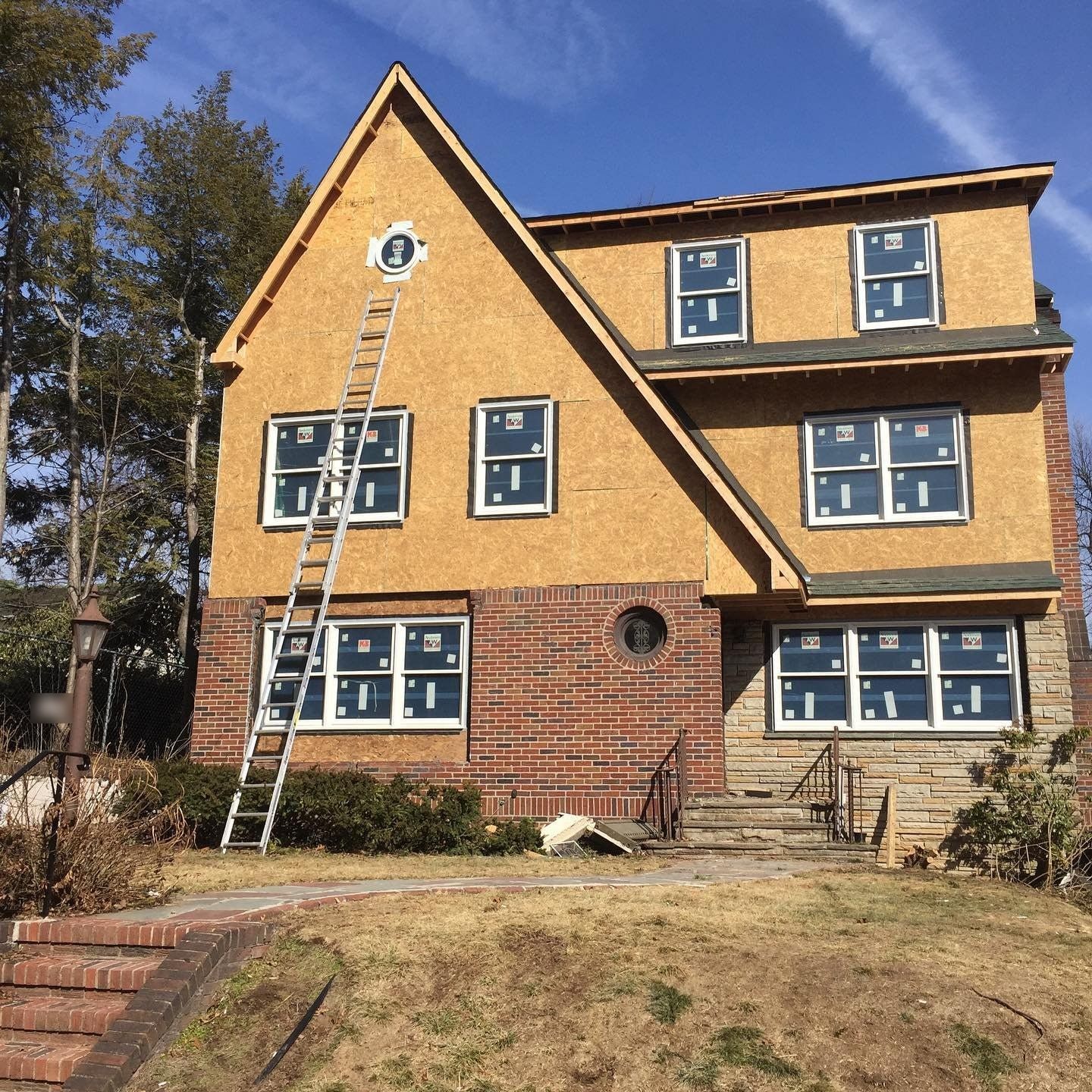
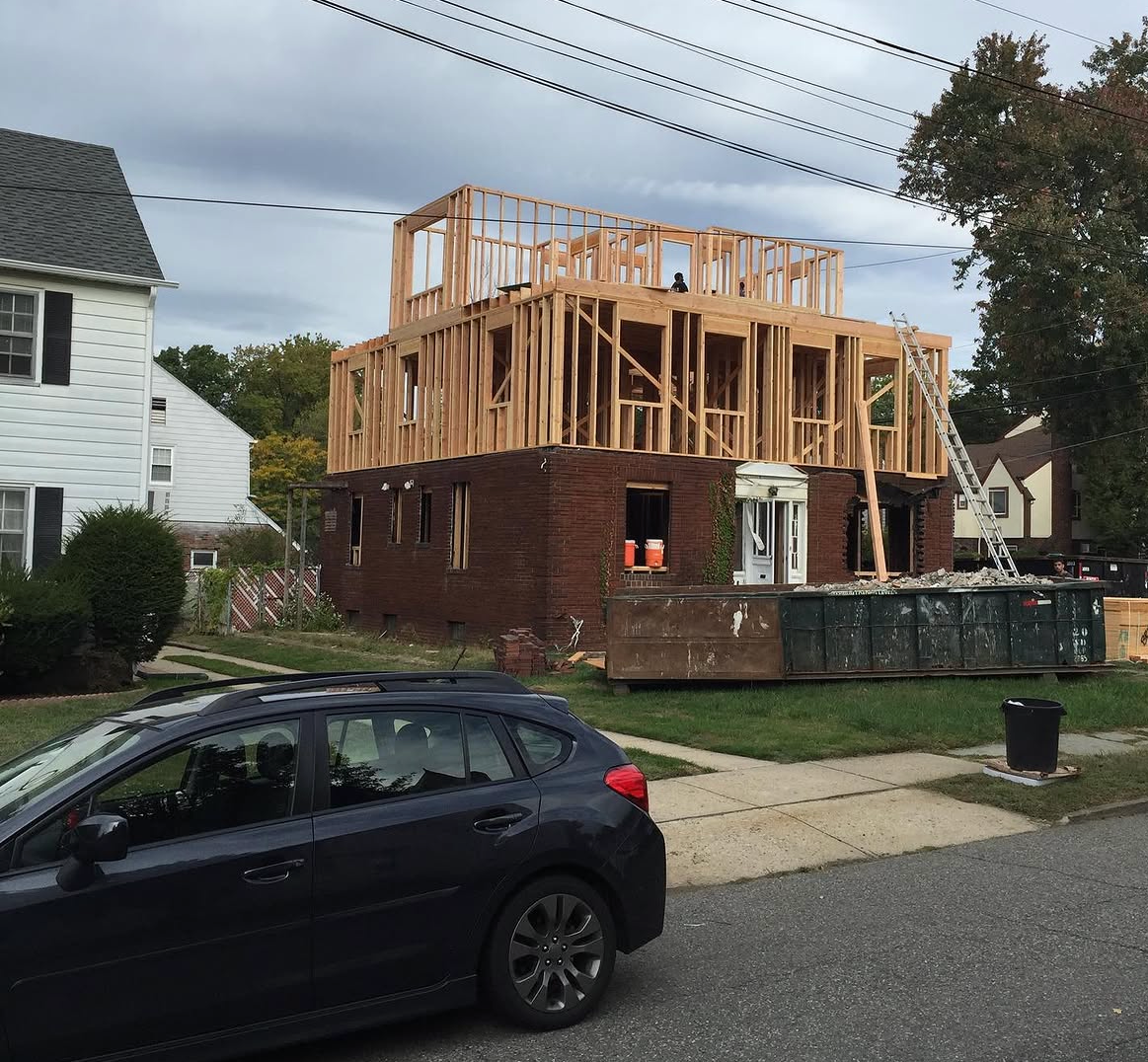
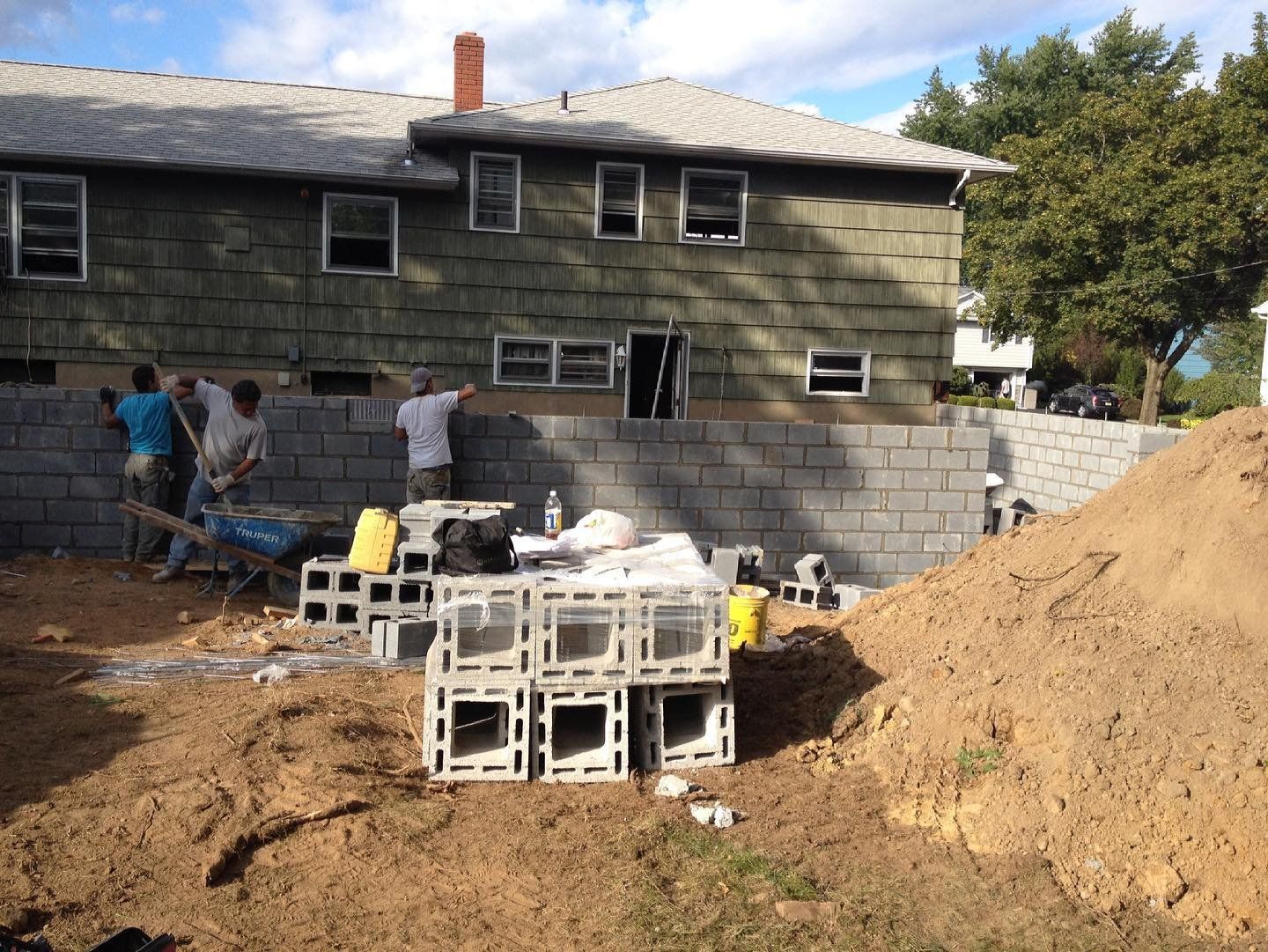
More of our additions, from the foundation to the finished second floor.
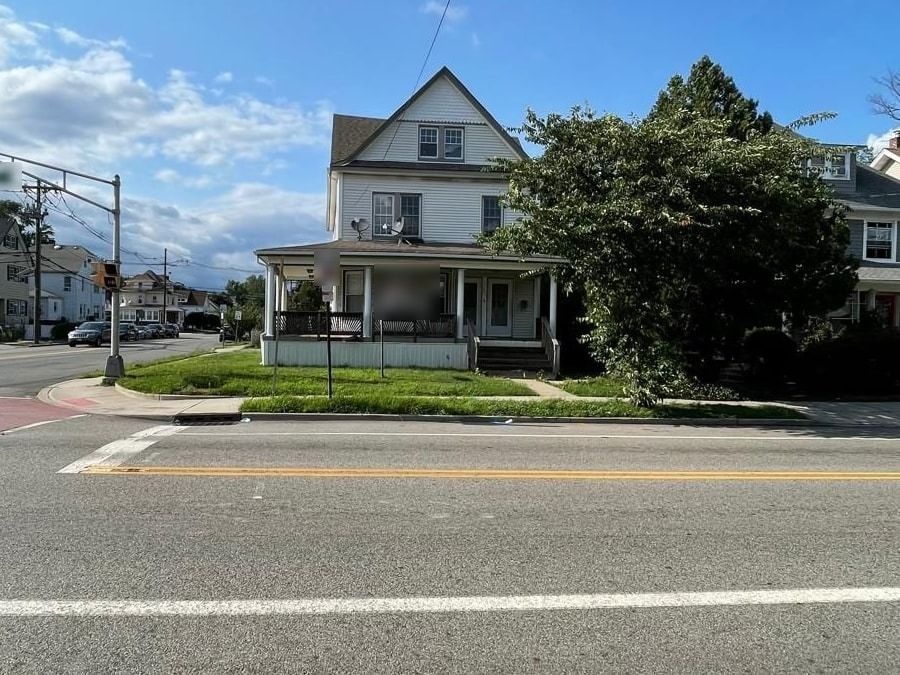
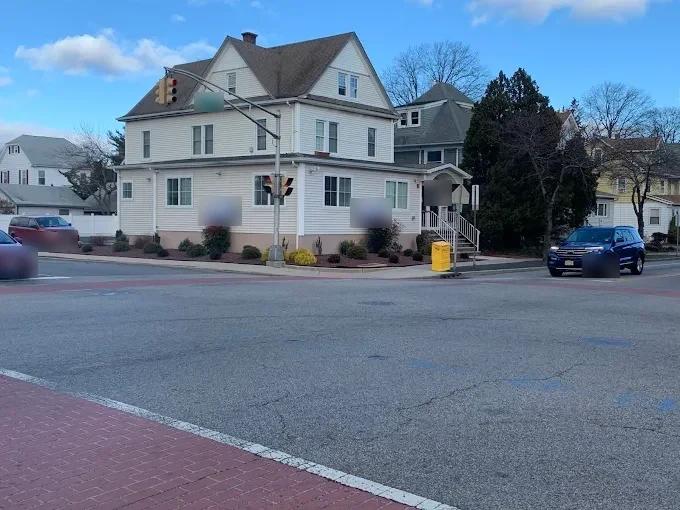
One of our additions, before and after, from the same corner.
What the best ones do
- Give you their registration number without being asked twice.
- Show proof of insurance.
- Show real additions they built, before and after.
Red flags
- No registration number, or one that does not check out.
- No insurance certificate.
Red flags at a glance
- No references.
- They want to be paid in full up front.
- A bid far below every other bid.
- Change order after change order for work that was in the plans.
- No contingency in the budget.
- You rarely see them on your site.
- They ask you to pull your own permits.
- No registration number or insurance.
Questions to ask before you sign
- Can I call three of your past clients? A good contractor says yes right away.
- How much is the deposit, and when are the other payments due? Expect about 15% to 20% down, then payments tied to progress.
- What is in this price, and what is not? Get it in writing, line by line.
- How much contingency is in the budget? About 10% to 15% is normal, and 15% to 25% for a second story.
- Who will be on my site every day? The answer should include the contractor.
- Have you built in my town, and who pulls the permits? The contractor should.
- What is your registration number? Then check it.
- Will all of this be in a written contract? It should be, with your three day right to cancel.
How we work
- 35+Years building, since 1990
- 4×Best of Houzz
- 5.0Customer rating
- DailyOmar on site
We are licensed and insured (NJ #13VH09340700). We give you a clear written estimate, a fair deposit, a real contingency and a builder who shows up every day. We handle the permits and inspections for you. We have built all over Passaic, Bergen and Essex Counties since 1990. One of our clients had us build his house, then came back to have us build his next one.
“Omar and his team completed our bathroom on schedule without sacrificing quality of work in any way. He also addressed every detail of the job for the quote he gave me. I'll be using Omar Construction for future renovations.”Matthew Minasian, Google review
See our home additions and second story additions, and additions in Passaic County, Bergen County and Essex County. For any kind of project, our guide on how to hire a general contractor in New Jersey covers the basics. Ready to talk? Call 973-418-6375 or use the form below.